Air conditioning · Saint-Martin
Your air conditioner is no longer cooling: what can you check without opening it?
Safe checks and useful details to note when an air conditioner is no longer cooling as expected.
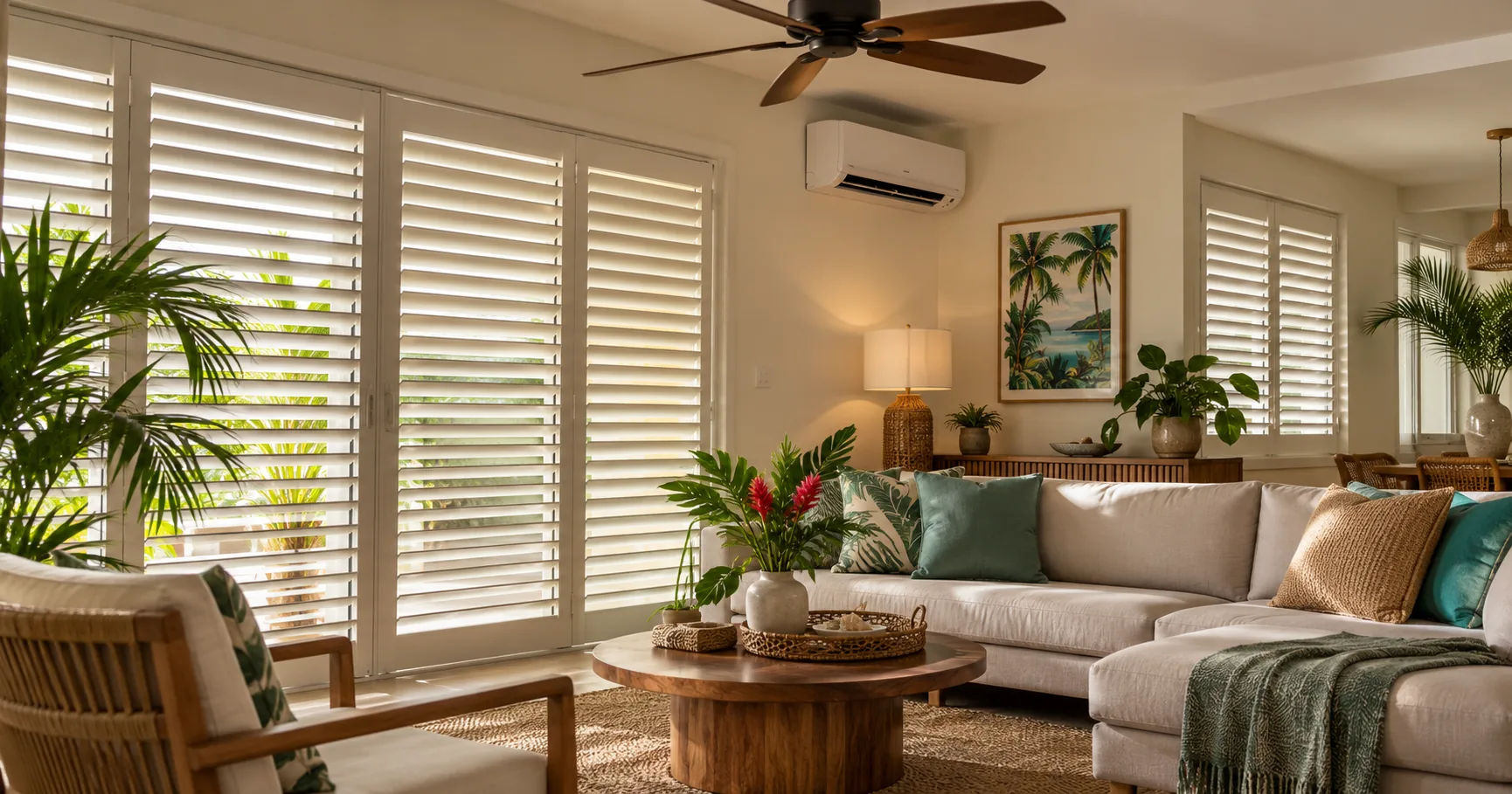
If an air conditioner seems to be cooling less effectively, do not dismantle the unit or try to recharge its circuit. Start by noting how it behaves, and check only settings and parts that the manual says an occupant may inspect. A drop in performance can have several causes; these observations cannot diagnose the problem remotely.
Simple checks
Confirm that the control is set to the mode you want and that the temperature setting has not changed. Check the manual to see whether the filter is accessible for routine user maintenance, and follow the manufacturer’s instructions. Do not open technical compartments or clean parts the manual does not identify as user-accessible.
From the ground, and without moving heavy objects, check whether anything is blocking the air inlet or outlet. ADEME advises making sure that no obstacle restricts airflow around the outdoor unit. Do not climb onto a roof or façade to carry out this check.
Note the symptoms
Record when the problem began, which rooms are affected, how long the unit runs, any unusual noise or smell, visible ice and any indicator lights or messages. Note whether the issue starts immediately or develops after the unit has been running for a while. If ice appears, follow what to do if ice forms on an air conditioner and do not dismantle the unit. A photo of the control display or error code may help the technician.
When to stop checking
If you notice a burning smell, damaged cable, water leak or electrical trip, stop testing the unit and contact a professional. Do not remove a cover, handle pipe connections or touch the refrigerant. ADEME notes that work on the refrigerant circuit must be carried out by professionals with the required qualifications.
Give the technician the make, model, symptoms and checks you have already carried out. This helps prepare the visit but does not replace an on-site inspection.